
The cultural impact of casinos on modern society
The cultural impact of casinos on modern society
Historical Context of Casinos
Casinos have evolved significantly since their inception, with a rich history that dates back to ancient civilizations. Initially, gambling was a social activity, often tied to cultural rituals and community gatherings. Over time, as societies advanced, so did the concept of gaming establishments. The establishment of casinos as we know them today began in the 17th century, particularly in Italy, where the first official gambling houses were opened. This shift not only transformed gambling into a commercial enterprise but also laid the foundation for the global casino culture we see today. Today, a visit to the official site Katana Spin can give newcomers a taste of this evolving landscape.

The rise of casinos in the 20th century, particularly in Las Vegas, revolutionized their role in society. Once considered taboo, casinos began to emerge as entertainment hubs, attracting millions of visitors each year. This transformation reflects broader societal changes, including increased leisure time and disposable income, allowing gambling to become a mainstream form of entertainment.
Psychological Aspects of Gambling
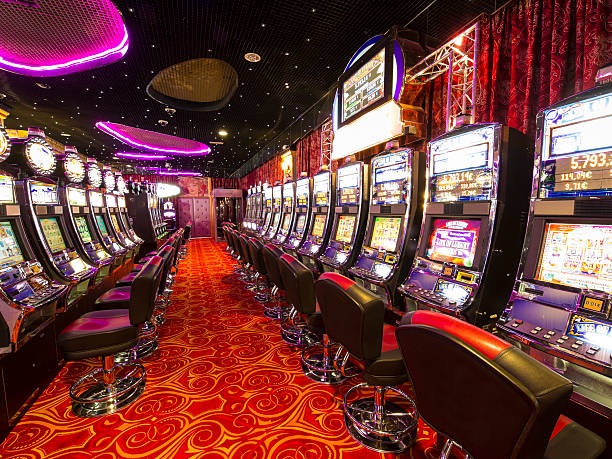
The psychology behind gambling is complex and multifaceted. Casinos leverage a range of psychological principles to create an environment that entices players. The thrill of risk, the allure of potential rewards, and the excitement of games create a sensory experience designed to maximize engagement. The use of bright lights, sounds, and an immersive atmosphere plays a significant role in enhancing the gambling experience, making it not just a financial activity but also an emotional one. For many, the experience can evoke strong psychological responses that make gambling captivating.
Additionally, the concept of “loss aversion” plays a critical role in why people gamble. Many individuals are more motivated to avoid losses than to achieve gains, prompting them to continue playing even when they experience setbacks. This psychological drive can lead to both fleeting joy and prolonged despair, highlighting the dual-edged nature of casino culture in modern society.
Social and Economic Impact
Casinos significantly influence local economies, creating jobs and generating revenue through taxes and tourism. They often serve as economic engines in regions where traditional industries have declined. However, this economic boost comes with its share of challenges. The influx of visitors can strain local resources and infrastructure, and the potential for gambling addiction can lead to social costs that outweigh financial benefits. These challenges are particularly evident in communities heavily reliant on the economic influx from casinos.
Moreover, casinos contribute to a shift in social norms surrounding gambling. As they become more accepted, attitudes toward gambling have evolved, leading to both positive and negative consequences. While some see casinos as venues for entertainment, others view them as catalysts for addiction and social decline. This dichotomy illustrates the broader cultural implications of gambling in contemporary society.
Cultural Representation in Media
The portrayal of casinos in films, television, and literature has played a significant role in shaping public perceptions of gambling. From classic films like “Casino” and “Ocean’s Eleven” to popular reality shows, these representations often emphasize the glamour and excitement of casino life. Such media portrayals can glamorize the gambling experience, enticing individuals to explore casinos as a form of escapism.
However, this glamorization can also lead to a misunderstanding of the risks associated with gambling. While entertainment industries often focus on the thrill, they frequently overlook the darker aspects, such as addiction and financial ruin. This imbalance in representation can influence societal attitudes and behaviors toward gambling, creating a complex narrative around its cultural significance.
Exploring Online Casinos
With the rise of technology, online casinos have emerged as a prominent player in the gambling industry. They provide convenience and accessibility, allowing individuals to gamble from the comfort of their homes. This shift has brought about new cultural dynamics, as online gambling becomes integrated into daily life, further normalizing the activity.
Websites like KatanaSpin epitomize this evolution, offering a diverse array of gaming options that cater to modern players. The user-friendly interfaces and attractive bonuses draw in a broad audience, highlighting the intersection of technology and gambling culture. As online casinos continue to grow, they will undoubtedly shape societal attitudes towards gambling even further, creating new norms and practices within the cultural landscape.